 VERTICE
Stunning Is Not the Same as Smart
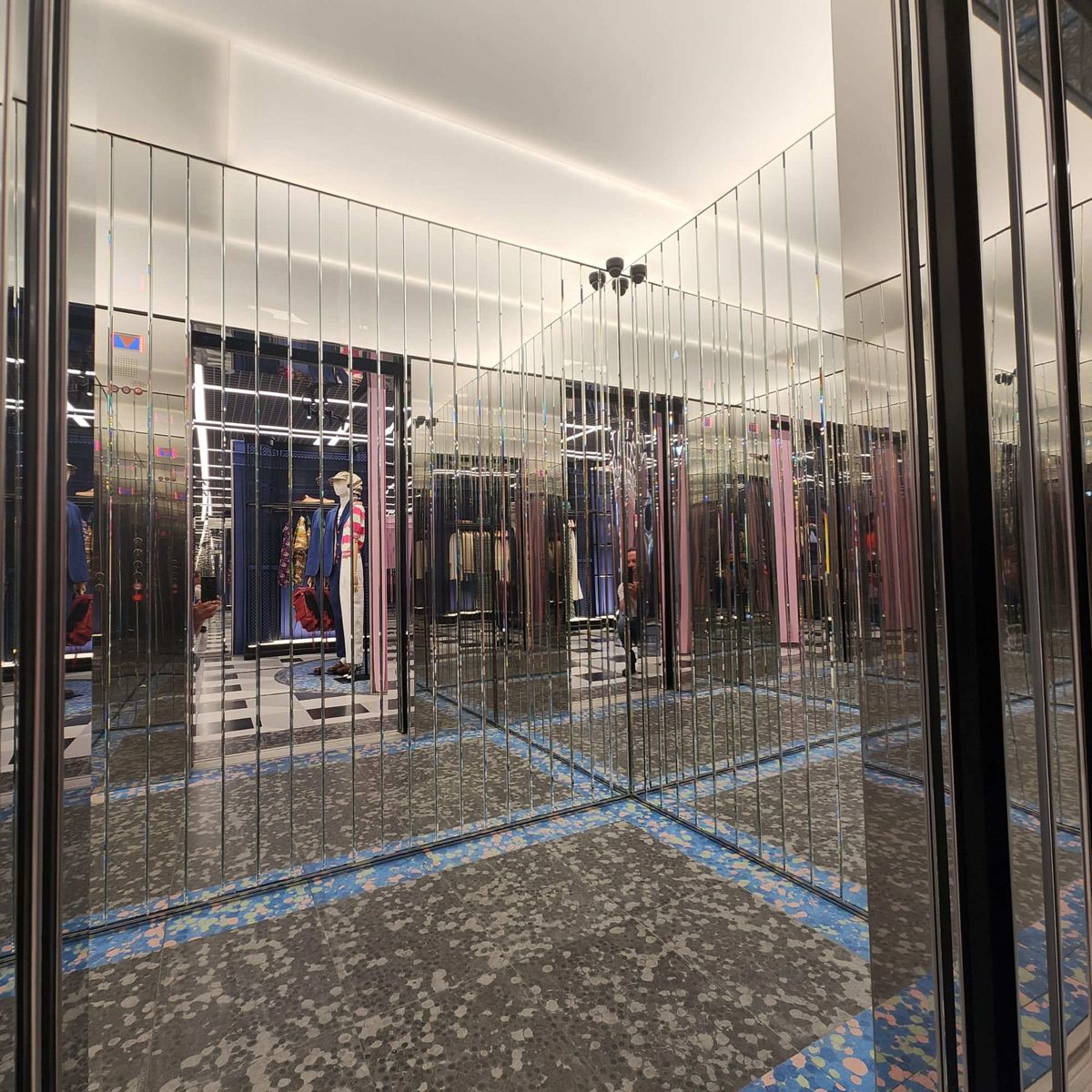
One of the most beautiful elevator interiors I have ever stood inside was also one of the most expensive mistakes I have ever watched a building make. It was in a brand name flagship hotel in the heart of a major city. The kind of property where the lobby is the marketing, where the doorman has been there twenty years, and where ownership flew in an architect with a reputation to match the rates. When the architect showed the elevator package, the room went quiet in the good way. Floor to ceiling glass cab panels. Custom laminated glass with a metal fabric woven into the interlayer, so the walls of the car shimmered like the inside of a jewelry box. It was genuinely stunning. It was also the most expensive cab glass I had ever seen specified, and the lead time was measured in seasons, not weeks.
Eight cars were built and installed. The hotel opened to exactly the kind of press it wanted. And then the panels started to crack.
Not one. Not two. Over nine panels cracked across the bank in the first stretch of operation. Now understand what that means in a property like this. A flagship hotel does not have a service elevator mindset about its guest cars. Every car down is a guest standing in a lobby looking at an out of service sign in a building that charges a premium specifically so that nothing ever feels out of service. Ownership was furious, the architect was defensive, and nobody could explain why brand new laminated glass was failing on its own in a passenger car that, by every spec on paper, should have lasted decades.
I got called in to figure out why. The answer was sitting in plain sight, and once you saw it you could not unsee it.
I measured every cracked panel. Every single crack originated at the same height off the finished floor. Twelve and three quarter inches. Not roughly. Exactly. When nine independent failures all start at the identical elevation, the glass is not the problem. Something in the building is striking that line over and over. So I walked the property and started measuring things at twelve and three quarter inches, and it did not take long. The hotel's luggage carts, the big brass framed bell carts that every guest and every bellman rolls in and out of those cars all day long, have a bumper rail. I put a tape on it. The bumper sits at twelve and three quarter inches off the floor.
We laid it out for ownership and the architect in one meeting. Here are the cracks, all at twelve and three quarter inches. Here is the luggage cart bumper, at twelve and three quarter inches. The most photographed elevator interior in the city was being quietly destroyed by the single most common object that would ever enter it. Every bellman with a loaded cart, every guest wheeling their own bags, was tapping that gorgeous glass at the exact wrong height, dozens of times a day, until the panels gave up.
Here is where a beautiful problem becomes an expensive one with no clean ending. After an already enormous elevator package and a grand opening, the building now lives with cars coming out of service intermittently, more or less forever, every time a patron breaks a panel. That alone is a nightmare in a flagship. But the part that should keep an owner up at night is the replacement glass. Each new panel has to match the original, and the original is custom laminated glass with that woven metal fabric interlayer. That match only exists for as long as that specific fabric is still in production. The day the mill discontinues the textile, the owner cannot order a matching panel at any price. So now the only responsible move is to carry attic stock, expensive spare panels sitting in a storage room waiting for the next luggage cart, purely to protect the consistency of a look. They are paying to warehouse glass because the design never accounted for the fact that glass in that car was going to keep breaking.
None of this was a manufacturing defect. The glass was made correctly. The installation was done correctly. The design was simply never pressure tested against the way the car would actually be used, and that is the whole lesson.
You have to design to use, not just to appearance. A rendering shows you a guest standing in a shimmering box admiring the walls. It does not show you the bell cart, the housekeeping cart, the floor scrubber, the ADA accessible mobility device, the rolling suitcase, the kid kicking the wall, the contractor moving a ladder during a renovation ten years from now. Every one of those is real, every one of them lands force at a predictable height, and the strike zone in a passenger cab is one of the most abused few feet of surface in the entire building. If your finish cannot survive the most ordinary object that will ever enter the car, it is not a finish, it is a countdown.
You also have to design with experience, and I do not mean design experience in the abstract. I mean somebody in the room who has lived through cab installations and watched what happens to interiors after the ribbon is cut. A beautiful rendering hides failure points on purpose, because its job is to sell the look. Someone who has surveyed cracked panels and worn out base and gouged wall covering knows exactly where the car gets hit, because they have already paid for the lesson on somebody else's project. That knowledge is cheap to rent and brutally expensive to learn yourself.
And you have to design for sustainability, by which I mean the real lifecycle and not the opening day photo. Can this material be matched in five years. In fifteen. Is the interlayer a stock product or a bespoke textile that one mill makes when it feels like it. What is the lead time on a single replacement panel when, not if, one fails. If the answer to any of that is uncomfortable, you either change the material or you go in eyes open and you budget the attic stock from day one. What you do not do is find out about it after the glass is already in the walls and a cart just cracked car number three.
The hardest part of this story is the same as every one of these stories. All of it was avoidable. The owner could have prevented it. The general contractor could have prevented it. The elevator consultant could have prevented it. The architect could have prevented it. Any one of them, by bringing an elevator cab consultant into the conversation before the glass was specified, would have changed the outcome. A cab consultant would have measured the strike zone the same way I did, except before the order instead of after the failure. We would have flagged twelve and three quarter inches as the impact height for luggage carts in a hotel, recommended a protective rail or a bumper or a more durable material at the bottom of the panel where the cart actually lands, and pressure tested the interlayer for availability and lead time before anyone committed to a textile that might vanish from production. The look could have been saved. The shimmer could have stayed. It just needed to be engineered to survive the thing every guest would do to it.
Stunning is not the same as smart. A car that looks incredible on opening day and cannot survive a bell cart is not a successful interior, it is a deferred expense with a beautiful face. If you are specifying a cab interior, especially one with a finish you are proud of, bring in a cab consultant before the design is locked. We will tell you where it is going to get hit, whether you can ever buy it again, and how to keep it looking exactly as good as the day it opened. That conversation is the cheapest line item in the entire project, and it is the one that protects every other dollar you are about to spend.
Planning cab interior work?
Talk to us before the first panel goes up. The first consultation is complimentary.
Book a Free Consultation Call 917-963-6063