
Elevator Cab Interior Design: Expert Tips and Insights
- nick50807
- Mar 14
- 4 min read
Elevator cab interiors often go unnoticed, yet they play a crucial role in shaping the first impressions of a building. Whether it’s a high-rise office, a luxury hotel, or a residential complex, the design of an elevator cab can significantly influence the overall experience of its users. In this post, we will explore expert tips and insights into creating an inviting and functional elevator cab interior that reflects the building's character and enhances user experience.

Understanding the Importance of Elevator Cab Design
Elevator cabs are more than just functional spaces; they are transitional areas that connect different parts of a building. A well-designed elevator cab can:
Enhance User Experience: Aesthetic and functional designs can make the ride more enjoyable.
Reflect Brand Identity: The design can echo the overall theme of the building, reinforcing its brand.
Ensure Safety and Accessibility: Thoughtful design can improve safety features and accessibility for all users.
Key Elements of Elevator Cab Design
When designing an elevator cab, several key elements should be considered:
1. Materials and Finishes
The choice of materials can dramatically affect the look and feel of the elevator cab. Common materials include:
Stainless Steel: Durable and easy to maintain, it provides a modern look.
Glass: Offers a sense of openness and can enhance natural light.
Wood: Adds warmth and can create a more inviting atmosphere.
2. Lighting
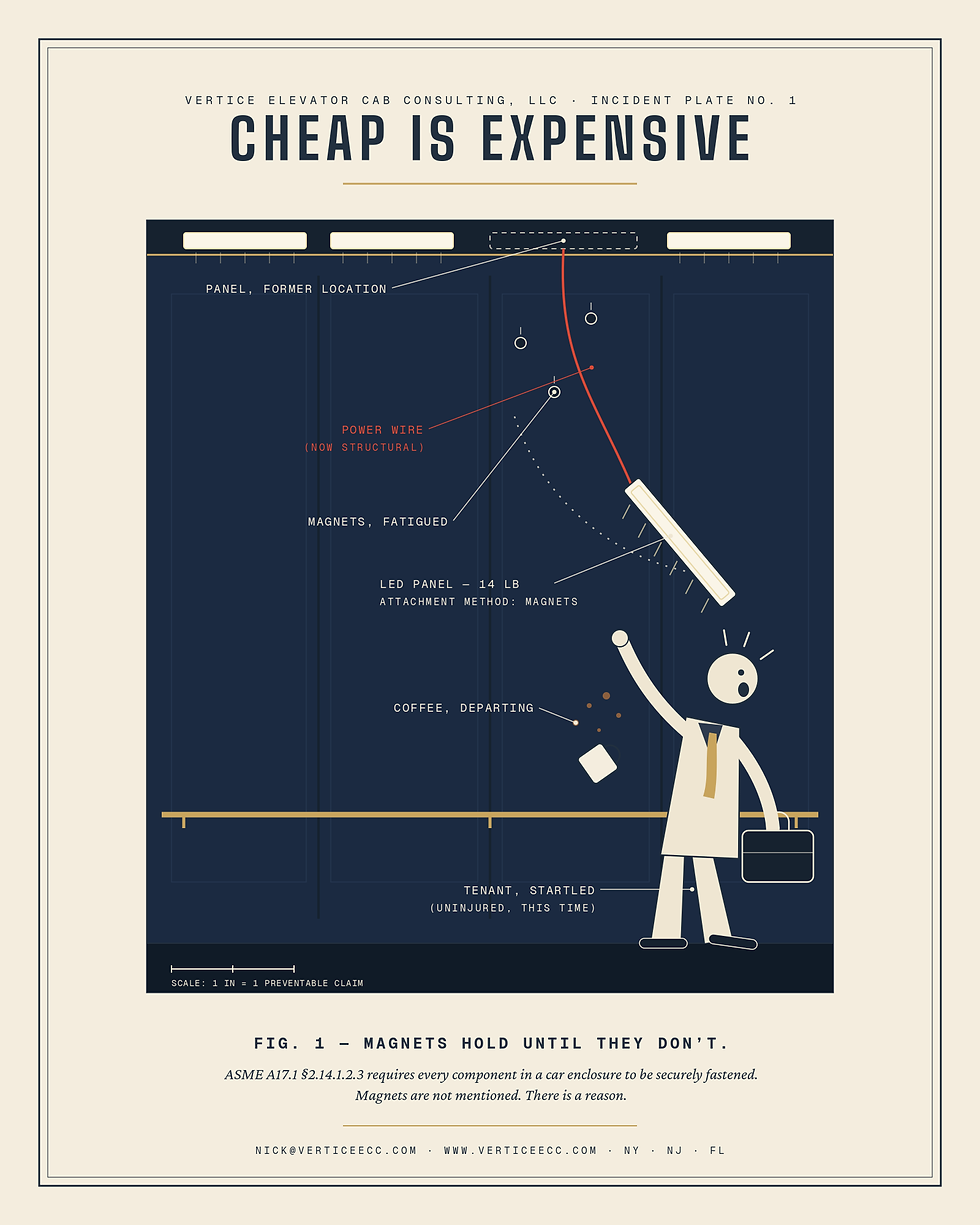
Lighting is crucial in elevator cab design. It can set the mood and improve visibility. Consider:
LED Lighting: Energy-efficient and available in various colors.
Accent Lighting: Highlights specific design features or artwork.
3. Color Schemes
Colors can influence emotions and perceptions. Choose a color palette that aligns with the building's purpose and ambiance. For example:
Neutral Tones: Create a calm and professional environment.
Bold Colors: Can energize the space and make a statement.
4. Layout and Space Utilization
The layout should maximize space while ensuring comfort. Consider:
User Flow: Ensure easy access for all users, including those with disabilities.
Seating Options: If space allows, consider adding seating for comfort.
Design Trends in Elevator Cab Interiors
Staying updated with design trends can help create a contemporary elevator cab. Here are some current trends:
1. Sustainable Design
Sustainability is becoming increasingly important in all areas of design, including elevator cabs. Use eco-friendly materials and energy-efficient lighting to reduce the environmental impact.
2. Smart Technology Integration
Incorporating smart technology can enhance user experience. Consider features like:
Touchless Controls: For hygiene and convenience.
Digital Displays: Providing information about building services or news.
3. Artistic Elements
Integrating art into elevator cab design can create a unique experience. This could include:
Murals: Local artists can create murals that reflect the community.
Sculptures: Three-dimensional art pieces can add depth and interest.
Practical Tips for Designing Elevator Cabs
Designing an elevator cab requires careful planning and consideration. Here are some practical tips:
1. Conduct User Research
Understanding the needs and preferences of potential users can guide design decisions. Surveys or focus groups can provide valuable insights.
2. Collaborate with Professionals
Working with architects and interior designers can ensure that the design is both functional and aesthetically pleasing. Their expertise can help navigate building codes and safety regulations.
3. Prototype and Test
Before finalizing the design, create a prototype or a 3D model. This allows for testing the layout and materials in a virtual space, making it easier to identify potential issues.
4. Prioritize Safety Features
Safety should always be a top priority. Ensure that the design includes:
Emergency Communication Systems: For user safety in case of emergencies.
Non-Slip Flooring: To prevent accidents.
Case Studies: Successful Elevator Cab Designs
Examining successful elevator cab designs can provide inspiration and practical examples. Here are two notable case studies:
1. The Shard, London
The Shard features glass elevator cabs that offer stunning views of the city. The use of glass not only enhances the aesthetic but also creates a sense of openness. The lighting is carefully designed to complement the views, making the ride an experience in itself.
2. Burj Khalifa, Dubai
The elevator cabs in Burj Khalifa are designed with luxury in mind. They feature high-end finishes, including polished wood and intricate lighting designs. The elevators are equipped with advanced technology, allowing for a smooth and efficient ride.
Conclusion: Elevate Your Design Game
Elevator cab interior design is an essential aspect of creating a welcoming and functional environment in any building. By focusing on materials, lighting, color schemes, and user experience, you can create an elevator cab that not only serves its purpose but also enhances the overall aesthetic of the building.
As you embark on your design journey, remember to stay updated with trends, prioritize safety, and consider the needs of your users. With thoughtful design, your elevator cab can become a memorable part of the building experience.
Take the next step in your design process by exploring various materials and layouts, and don’t hesitate to collaborate with professionals to bring your vision to life.


Comments